
Look for reminders that fit your workflow
A posture reminder app should not make your workday heavier. If every cue feels like an interruption, you will turn it off. Look for reminders that are brief, specific, and easy to act on.
For desk posture, that usually means a nudge that arrives when you are starting to drift, not a loud alarm that fires on a schedule regardless of what you are doing.
Choose live sensing when slouching is the target
Timers are great for breaks. They are less great at noticing posture. If your goal is to stop slouching at your desk, live sensing can be more useful because it responds to the behavior itself.
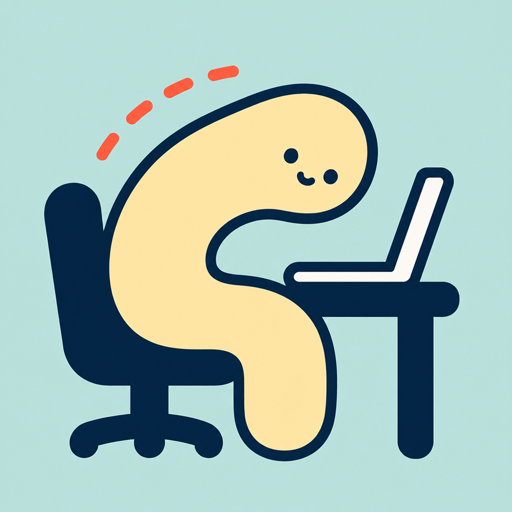
Noodle Posture uses supported AirPods or Beats during Slouch Watch sessions to watch for head-forward drift. That lets the app focus on the actual wet-noodle moment instead of guessing based on the clock.
Make sure progress is visible
Posture habits change slowly enough that you need some kind of feedback beyond "I think I sat better today." A good app should show trends that make the habit visible: tracked minutes, sessions, check-ins, and how your posture rhythm changes over time.
Widgets can help too. A Home Screen widget keeps the habit visible between sessions, which is useful because posture is easy to forget until you are already deep in work.
Prefer privacy-conscious design
Posture is personal. Look for clear explanations of what data is used, why it is needed, and how the app avoids collecting more than it needs. Camera-free posture sensing can be a better fit for people who want reminders without putting video into the loop.
Noodle is designed around AirPods motion for desk sessions, with the product experience focused on live cues, trends, and playful progress rather than surveillance.
Pick the app that makes the habit feel lighter
The right posture app should make the reset feel almost too easy: notice, sit tall, move on. A bit of delight helps. Ranks, hats, widgets, and a small character with opinions can make the habit feel less like being corrected and more like having a tiny desk companion.
That sounds unserious until it works. Habits stick when they are visible, repeatable, and a little rewarding.
Noodle Posture is a habit and awareness tool, not medical care. If you have persistent pain, numbness, weakness, or symptoms that worry you, talk with a qualified health professional.